How Long Do Commercial AC Units Last?
Your commercial AC system keeps customers comfortable and employees productive. Most commercial AC units last between 15 to 20 years with proper care, though several factors can extend or shorten this timeline. Understanding what affects your system’s lifespan helps you plan for replacements and avoid costly surprises.
Key Points:
- Commercial AC units typically last 15-20 years with regular maintenance
- Poor maintenance, incorrect sizing, and heavy usage can reduce lifespan significantly
- Regular professional tune-ups can extend your system’s life by several years
- Energy bills rising unexpectedly often signal it’s time for replacement
- Replacing an aging system saves money through improved efficiency and fewer repairs
What Determines Your Commercial AC’s Lifespan?
Your commercial AC unit’s longevity depends heavily on how well you maintain it. Units receiving quarterly professional inspections and filter changes can easily reach 20 years or beyond. Systems that skip regular maintenance often fail within 10-12 years, costing you thousands in emergency repairs.
Installation quality matters just as much as maintenance. A properly sized and professionally installed system runs efficiently without excessive wear. Undersized units work overtime trying to cool your space, while oversized systems cycle on and off too frequently, wearing out components faster.
Climate and usage patterns also play major roles. A system running 24/7 in a hot Texas summer experiences more strain than one in a moderate climate with seasonal use. Check out our commercial AC maintenance services to protect your investment.
5 Factors That Affect How Long Your System Lasts
Several key elements determine whether your commercial AC reaches its full potential or fails prematurely. Here’s what impacts your system most:
1. Regular Professional Maintenance
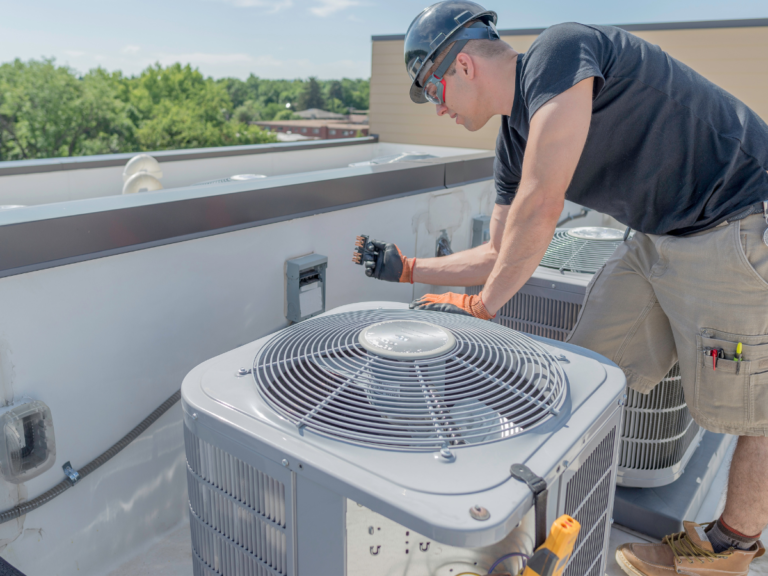
Scheduled maintenance is the single most important factor in extending AC lifespan. Professional technicians catch small issues before they become expensive failures. They clean coils, check refrigerant levels, and ensure all components work efficiently.
2. Proper Unit Sizing
An HVAC specialist should calculate your building’s exact cooling needs. Too small means constant running and premature failure. Too large causes short cycling that damages the compressor. Our commercial AC installation team ensures proper sizing every time.
3. Quality of Installation
Even premium equipment fails quickly when poorly installed. Certified technicians ensure correct refrigerant levels, proper electrical connections, and optimal airflow. Poor installation can cut your system’s life in half.
4. Operating Hours and Conditions
Systems running around the clock age faster than those with moderate use. Buildings in dusty environments or those exposed to salt air near the coast face additional challenges that accelerate wear.
5. Component Quality and Brand
Higher-quality brands using durable parts often outlast budget options. Premium systems might cost more upfront but typically offer better reliability and longer service life. Our team works with trusted brands to ensure quality.
Signs Your Commercial AC Needs Replacement Soon
Knowing when to replace rather than repair saves you money and prevents unexpected breakdowns during peak business hours. Watch for these warning signs that indicate your system’s nearing the end.
Your energy bills climbing without explanation means your AC works harder to produce the same cooling. If utility costs increase by 15-20% without corresponding weather changes, your system’s efficiency has declined significantly.
Frequent repair calls pile up costs quickly. When you’re calling for service monthly or spending thousands annually on fixes, replacement becomes more economical. Calculate whether repair costs exceed 50% of a new system’s price.
Listen for unusual sounds like grinding, banging, or squealing. These noises indicate worn components that might fail completely. Strange odors, especially burning smells, require immediate professional attention.
Uneven temperatures throughout your building frustrate occupants and signal poor performance. If some areas feel like saunas while others stay comfortable, your system struggles to distribute air properly. Our commercial AC repair experts can diagnose these issues.
How to Extend Your Commercial AC’s Lifespan
Taking proactive steps protects your investment and maximizes your system’s working years. These strategies help you get every possible year from your commercial AC.
Start with a comprehensive maintenance agreement covering quarterly inspections. Technicians will clean filters, inspect electrical connections, lubricate moving parts, and identify potential problems early. This preventive approach typically adds 3-5 years to your system’s life.
Change or clean filters monthly in commercial settings with heavy foot traffic. Dirty filters restrict airflow, forcing your system to work harder and consume more energy. Clean filters improve indoor air quality while reducing strain on components.
Keep outdoor units clear of debris, vegetation, and obstructions. Ensure at least two feet of clearance around all sides for proper airflow. Schedule professional coil cleaning twice yearly to maintain heat transfer efficiency.
Monitor your system’s performance through a building automation system when possible. Smart controls optimize operation, reduce unnecessary runtime, and alert you to problems before they cause failures.
Consider upgrading to energy-efficient components during repairs. Variable-speed motors and programmable thermostats reduce system stress while cutting energy costs. These improvements often pay for themselves within a few years.
When to Start Planning for Replacement
Planning ahead prevents emergency situations and allows you to budget appropriately. Start researching replacement options when your system reaches 12-15 years old, even if it’s still working well.
Modern systems offer significant efficiency improvements over older models. A new commercial AC typically uses 20-30% less energy than a 15-year-old unit, translating to substantial monthly savings. Factor these savings into your replacement decision.
If your current system uses R-22 refrigerant (common in pre-2010 units), replacement makes sense sooner rather than later. R-22 production ended in 2020, making refills expensive and difficult to source.
Calculate the total cost of ownership for your aging system. Add up recent repair bills, increased energy costs, and the likelihood of future breakdowns. Compare this to the cost of a new, efficient system with a warranty. You might find replacement saves money within just a few years.
Get Expert Help with Your Commercial AC
Your commercial AC system represents a significant investment in your business operations. Knowing when to maintain, repair, or replace requires expert guidance from experienced professionals who understand commercial HVAC.
At KRS HVAC, we help businesses across Texas maximize their commercial AC investments. Our certified technicians provide honest assessments about whether your system needs simple repairs or full replacement. We service systems throughout Houston, Austin, Dallas, and surrounding areas.
Don’t wait for a complete breakdown during your busiest season. Contact us today for a professional evaluation of your commercial AC system. We’ll help you understand your options and make the right choice for your business and budget. Schedule your commercial AC service now to keep your system running efficiently for years to come.