How do commercial aC units work?
Commercial AC units cool buildings by circulating refrigerant through four main components that work together to remove heat from indoor air and release it outside. The system uses a compressor, condenser, expansion valve, and evaporator to complete this cooling cycle continuously. Most commercial buildings use rooftop packaged units that contain all components in one cabinet for easy maintenance.
Key Points
- Commercial AC systems use refrigerant to absorb heat from indoor air and release it outdoors
- Four main components (compressor, condenser, expansion valve, evaporator) work in a continuous cycle
- Rooftop units are the most common type, combining all components in a single outdoor cabinet
- Commercial systems are much larger than residential units, typically ranging from 10 to 150 tons
- Regular maintenance keeps components working efficiently and extends system lifespan by up to 15 years
What Are the 4 Main Components That Make Your AC Work?
Your commercial AC relies on four essential parts working together. The compressor acts as the heart of the system, pumping refrigerant throughout and compressing it from low-pressure gas to high-pressure liquid. This compression process raises both the pressure and temperature of the refrigerant.
The condenser removes heat from the hot refrigerant and releases it outside your building. Think of it as a radiator that cools the refrigerant back down to a liquid state. The expansion valve then controls the flow of refrigerant, reducing its pressure and temperature as it moves toward the evaporator.
The evaporator sits inside your building and absorbs heat from the warm indoor air. As refrigerant flows through the evaporator coils, it evaporates into a gas while cooling the air that passes over it. This cooled air then circulates throughout your space, lowering the temperature.
How Does the Cooling Cycle Actually Work?
The refrigeration cycle starts when warm air from your building gets pulled into the AC unit by a fan or blower. This air passes over the cold evaporator coils containing low-pressure refrigerant. The refrigerant absorbs the heat from the air, cooling it down while the refrigerant itself turns from liquid to gas.
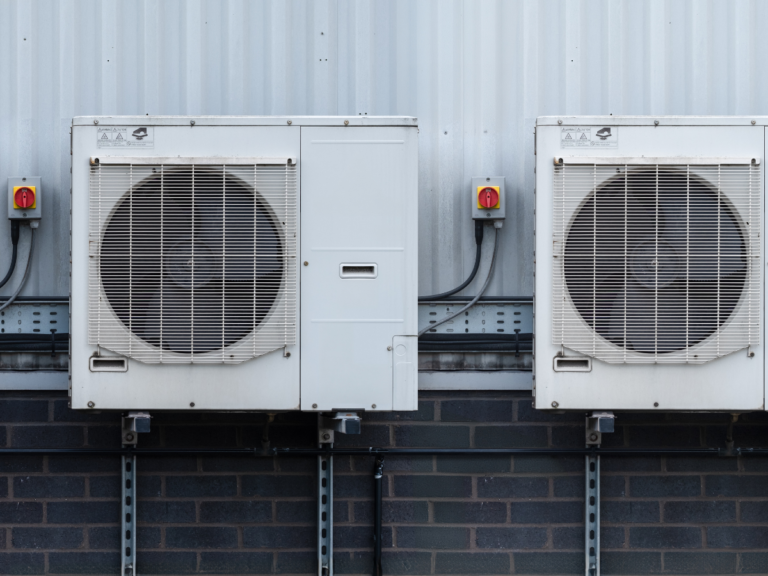
The now-gaseous refrigerant travels to the compressor, which squeezes it into a high-pressure, high-temperature state. From there, it moves to the condenser coils where fans blow outdoor air across the coils, removing the heat and turning the refrigerant back into a liquid. This heat gets expelled outside your building, which is why you feel hot air coming from outdoor AC units.
Once cooled, the liquid refrigerant passes through the expansion valve, which drops its pressure and temperature. The cycle then repeats as the cool refrigerant returns to the evaporator to absorb more heat. This process runs continuously whenever your system needs to maintain your desired temperature.
Professional commercial AC maintenance ensures all components work together efficiently. Regular checkups catch small issues before they become expensive repairs.
Why Are Commercial Units Different From Home AC Systems?
Commercial AC systems operate on a much larger scale than residential units. While home AC units typically max out at 5 tons of cooling capacity, commercial units range from 10 to 150 tons. This means commercial systems have more powerful compressors, larger condenser fans, bigger evaporators, and stronger blowers.
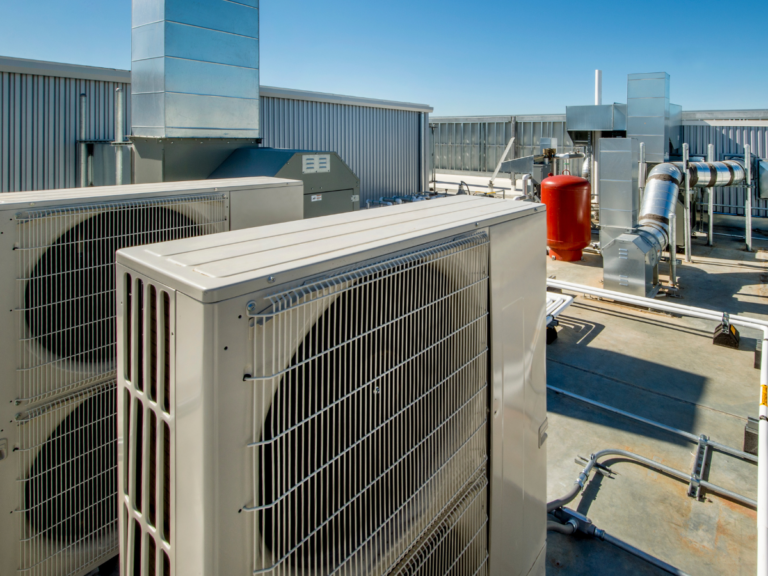
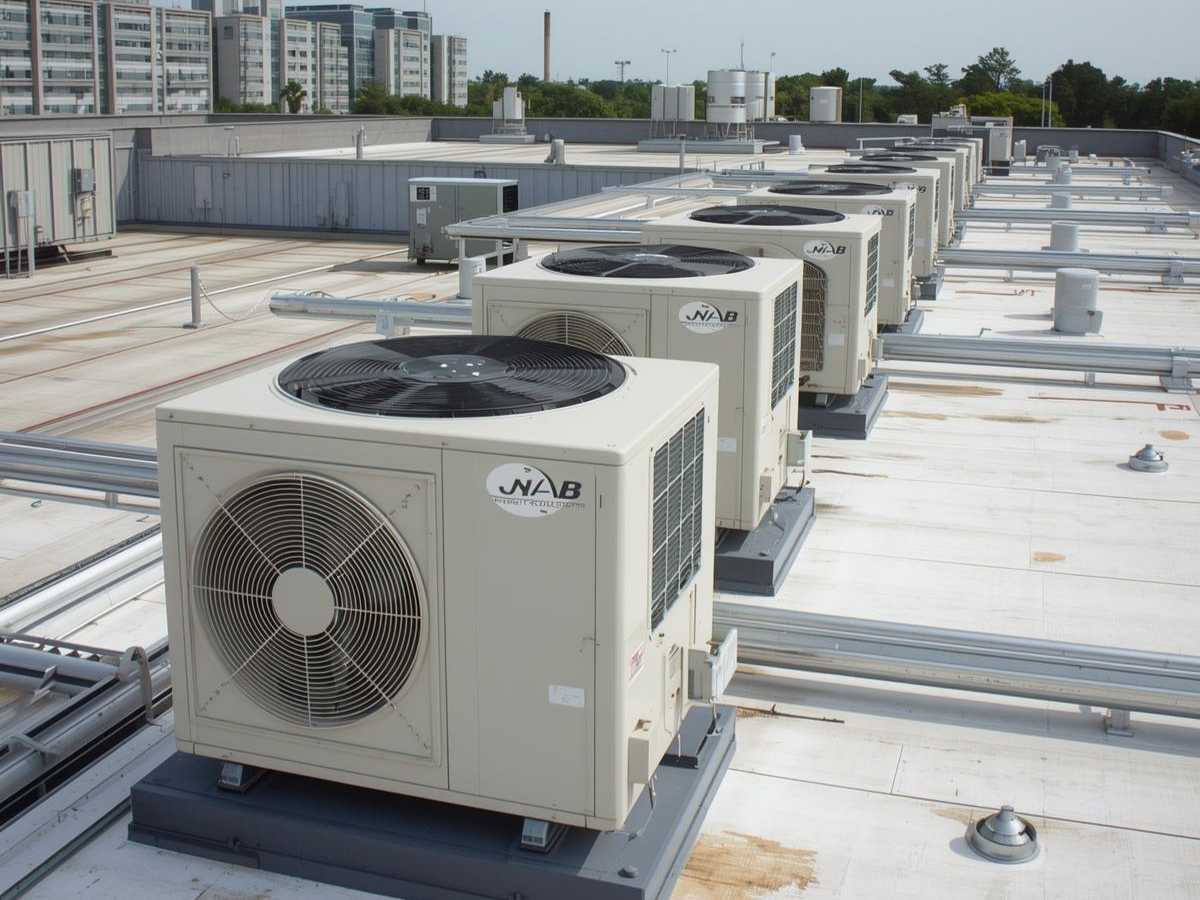
Most commercial systems use packaged units installed on the roof or beside the building. All components sit together in one cabinet, making installation and maintenance easier. Home systems usually split components between indoor and outdoor units. This packaged design saves valuable indoor space and keeps noise outside.
Commercial buildings also need zoning capabilities that homes don’t require. Different areas like server rooms, offices, and warehouses need different temperatures. Commercial AC systems use multiple thermostats and dampers to control temperature in separate zones.
The location matters too. Rooftop installation keeps units accessible for technicians without disrupting daily business operations. It also provides natural noise barriers and ample space for larger equipment.
5 Types of Commercial AC Systems You Should Know
- Packaged Rooftop Units: All components housed in one cabinet on your roof, most common for small to medium businesses
- Split Systems: Outdoor condenser connects to indoor air handler, similar to residential setups but larger
- Multi-Split Systems: One outdoor unit powers up to nine indoor units, ideal for larger office buildings
- Variable Refrigerant Flow (VRF): Uses only the refrigerant needed at any given time, maximizing energy efficiency
- Chiller Systems: Produces chilled water distributed through pipes to cool different building zones
Each system type suits different building sizes and cooling needs. Packaged rooftop units dominate the commercial market because they’re cost-effective and easy to maintain. VRF systems cost more upfront but deliver significant energy savings in buildings with varying cooling demands.
The right system depends on your building size, layout, and budget. A 5,000-square-foot retail store needs different equipment than a 50,000-square-foot warehouse. Commercial AC installation professionals can assess your space and recommend the best option.
What Happens When Commercial AC Components Fail?
Component failures put extra stress on your entire cooling system. A dirty evaporator coil can’t absorb heat properly, forcing the compressor to work twice as hard to reach your target temperature. This overwork shortens the compressor’s lifespan by years.
Refrigerant leaks are one of the most common problems you’ll face. You might notice oil around valves or service ports, or your system simply stops blowing cold air. Low refrigerant forces your AC to run constantly without cooling effectively, wasting energy and money.
Dirty condenser coils prevent heat from escaping your system efficiently. The buildup acts like a blanket, trapping heat that should be released outside. Your system cycles on and off repeatedly (called short cycling), wearing out components faster.
Clogged air filters create similar problems. They block airflow through the evaporator, causing the system to pull air through gaps and cracks instead. This dirty air coats the evaporator coil, reducing efficiency dramatically. You should change filters monthly to protect both your equipment and indoor air quality.
Regular commercial AC repair addresses these issues before they cascade into bigger problems. Small investments in maintenance save thousands in premature equipment replacement.
Keep Your Commercial AC Running at Peak Performance
Your commercial AC system works hard to keep your building comfortable and your business running smoothly. The four main components (compressor, condenser, expansion valve, and evaporator) must all function properly for efficient cooling. Regular maintenance extends their lifespan and prevents costly breakdowns.
Understanding how your system works helps you recognize warning signs early. Oil leaks, short cycling, warm air, and unusual noises all signal problems that need immediate attention.
At KRS HVAC, we specialize in keeping commercial AC systems running efficiently. Our technicians service all major brands and system types across Texas. Whether you need routine maintenance, emergency repairs, or complete system replacement, we deliver fast, reliable service that minimizes downtime. Contact us today to schedule your commercial AC service and protect your investment in climate control.