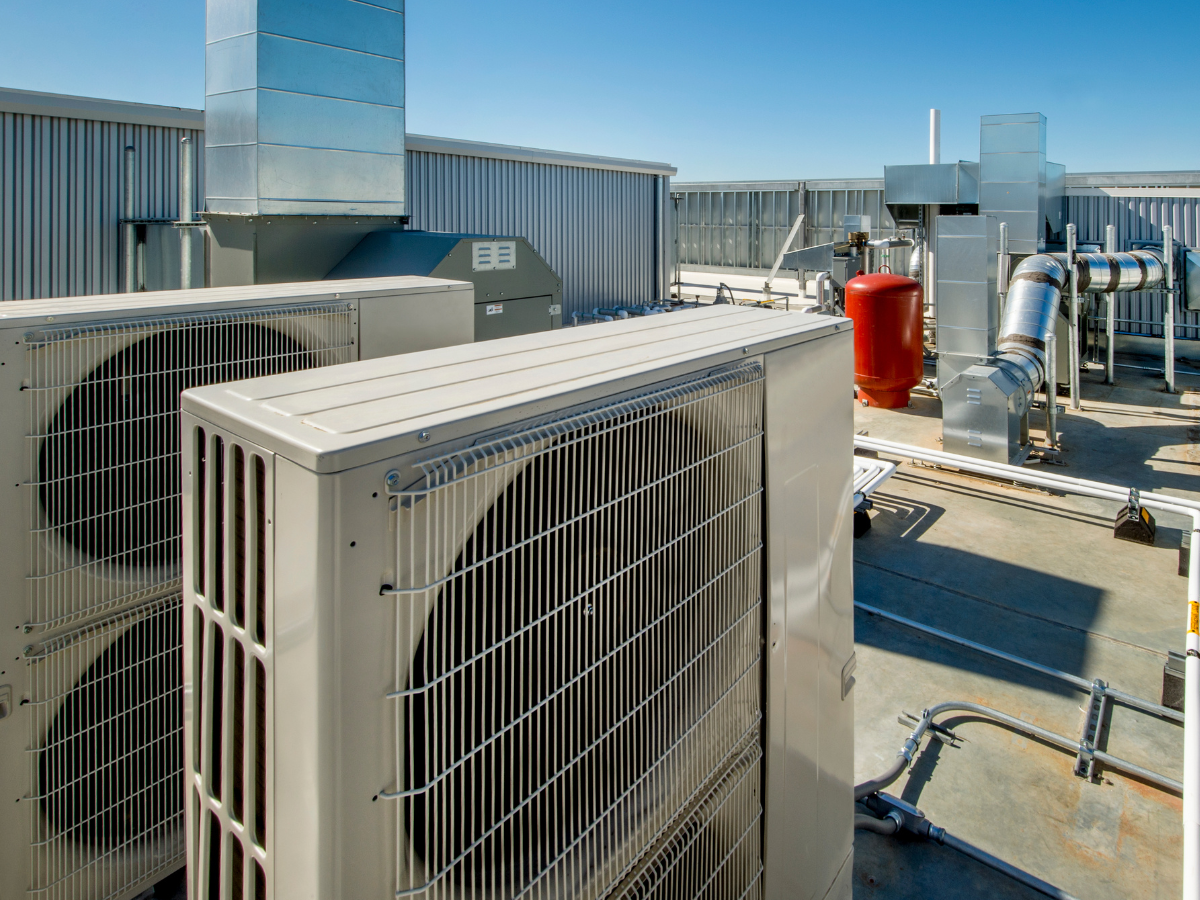
Do Commercial AC Units Use Freon?
Most commercial AC units no longer use traditional freon (R-22), which was phased out in 2020. Modern commercial systems use newer refrigerants like R-410A, with many now transitioning to R-454B starting in 2025. If you own an older commercial system installed before 2010, it likely uses R-22, which is now expensive and difficult to obtain.
Key Points:
- Traditional freon (R-22) was banned from production in 2020 due to environmental concerns
- Most commercial systems installed after 2010 use R-410A refrigerant
- Starting January 2025, new systems will use R-454B or R-32 refrigerants
- Older R-22 systems can still operate but face rising repair costs
- Replacement refrigerants are available but may require system modifications
What Type of Refrigerant Do Commercial AC Units Actually Use?
The term “freon” technically refers to R-22, a refrigerant that was the industry standard for decades. However, commercial AC units manufactured since 2010 use R-410A, marketed under brand names like Puron. The federal government banned R-22 production and import in January 2020 to protect the ozone layer and reduce greenhouse gas emissions.
If your commercial building’s AC system was installed before 2010, there’s a strong chance it still runs on R-22. You can find this information on the unit’s data plate, typically located near the refrigerant lines on the outdoor unit. The type of refrigerant directly affects your maintenance costs and replacement options, so knowing what you have is essential for long-term planning.
Commercial systems using R-410A run at higher pressures than older R-22 systems, requiring different components and certified technicians for servicing. This means you cannot simply switch refrigerants without proper equipment modifications.
How Much Does R-22 Cost for Commercial Systems Now?
R-22 refrigerant now costs between $200 and $600 per pound, with some reports showing prices as high as $250 per pound in 2024. A full commercial system recharge can easily exceed $1,500, sometimes reaching $4,000 or more depending on system size. These costs continue climbing because the only available R-22 comes from recycled or stockpiled supplies.
The price spike stems from limited availability. Since the EPA banned new production, HVAC distributors have been working through inventory stockpiled before 2020. As this supply dwindles, expect costs to keep rising until R-22 becomes essentially unavailable for most commercial applications.
For commercial property owners, budgeting for potential refrigerant costs should factor in both the immediate expense and the likelihood of future price increases. Many businesses find that investing in a new system becomes more cost-effective than repeatedly paying premium prices for R-22 refills.
What Are Your Options If Your Commercial System Uses R-22?
You have three main choices when dealing with a commercial AC system that uses R-22:
- Continue using R-22: You can keep paying for increasingly expensive R-22 recharges from recycled sources. This works as a short-term solution but becomes financially impractical as prices rise.
- Retrofit with alternative refrigerants: Options like MO99 (R-438A), R-407C, or RS-44b can replace R-22 in existing systems. MO99 offers the closest performance match and works with your current oil, making it the easiest retrofit option. However, retrofitting typically requires draining the old refrigerant, replacing seals, and potentially upgrading expansion valves.
- Replace the entire system: Installing a new commercial unit with modern refrigerant eliminates ongoing R-22 costs and typically improves energy efficiency by 15% or more. While this requires the highest upfront investment, it provides the best long-term value for most commercial properties.
Consider your system’s age when deciding. If your commercial AC is over 15 years old and needs major repairs, replacement often makes more financial sense than retrofitting. Newer systems also qualify for energy efficiency incentives that can offset installation costs. Learn more about commercial AC installation options for your business.
What Refrigerants Will New Commercial Systems Use in 2025?
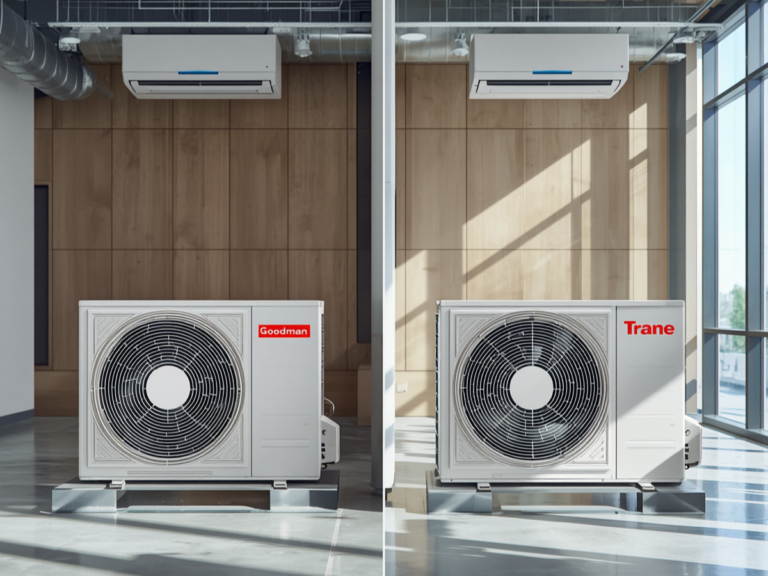
Starting January 1, 2025, manufacturers cannot produce commercial AC systems using R-410A refrigerant. The two primary replacements are R-454B (marketed as Opteon XL41 or Puron Advance) and R-32. Most major manufacturers like Carrier, Trane, and Lennox have chosen R-454B, while Daikin and Goodman primarily use R-32.
R-454B has a global warming potential of 466, which is 78% lower than R-410A’s rating of 2,088. This dramatic improvement helps meet EPA requirements under the American Innovation and Manufacturing Act. The refrigerant performs similarly to R-410A in terms of cooling capacity and energy efficiency.
Both R-454B and R-32 are classified as mildly flammable (A2L rating), though they pose minimal safety risk when properly installed. Modern systems include additional safety sensors to detect leaks and prevent any potential issues. These safety features add to the initial system cost, making 2025 units approximately 15% more expensive than comparable 2024 models.
You cannot retrofit existing R-410A systems to use R-454B or R-32. The new refrigerants require different system designs, components, and safety protocols. If you’re considering an upgrade, explore commercial AC maintenance plans to protect your investment.
Should You Replace Your Commercial AC Before 2025?
If you’re planning to replace your commercial HVAC system within the next 1-2 years, purchasing an R-410A system before the end of 2024 could save significant money. Manufacturers can continue selling R-410A inventory through 2025, but most experts predict supplies will run out by early 2025 due to hurricane damage depleting stock and manufacturers scaling back production.
R-410A will remain available for servicing existing systems for many years. You won’t suddenly lose the ability to maintain your current commercial AC just because new units use different refrigerants. HVAC supply companies will stock R-410A for repairs and recharges, though long-term availability may eventually mirror the R-22 situation.
Delaying replacement could cost you 15% more when you eventually need a new system. However, rushing to replace a functioning system just to avoid R-454B doesn’t make financial sense for most businesses. Focus on your system’s current condition, repair history, and energy efficiency when making this decision.
For reliable guidance on whether to repair or replace your commercial system, contact professionals who specialize in commercial AC repair. They can assess your specific situation and help you make the most cost-effective choice for your business.
Get Expert Help with Your Commercial AC System
Commercial refrigerant regulations continue evolving to reduce environmental impact. Whether your system uses R-22, R-410A, or you’re considering an upgrade to R-454B, understanding your refrigerant type helps you plan for maintenance costs and replacement timing.
At KRS HVAC, we work with commercial clients throughout Texas to maintain, repair, and upgrade their cooling systems. Our certified technicians stay current on refrigerant regulations and can help you navigate the transition to newer, more efficient systems. From emergency commercial AC replacement to routine maintenance, we provide the expertise your business needs.
Contact us today to discuss your commercial HVAC needs and get a customized solution for your property.